0-1 product building of a product for car showrooms
Context
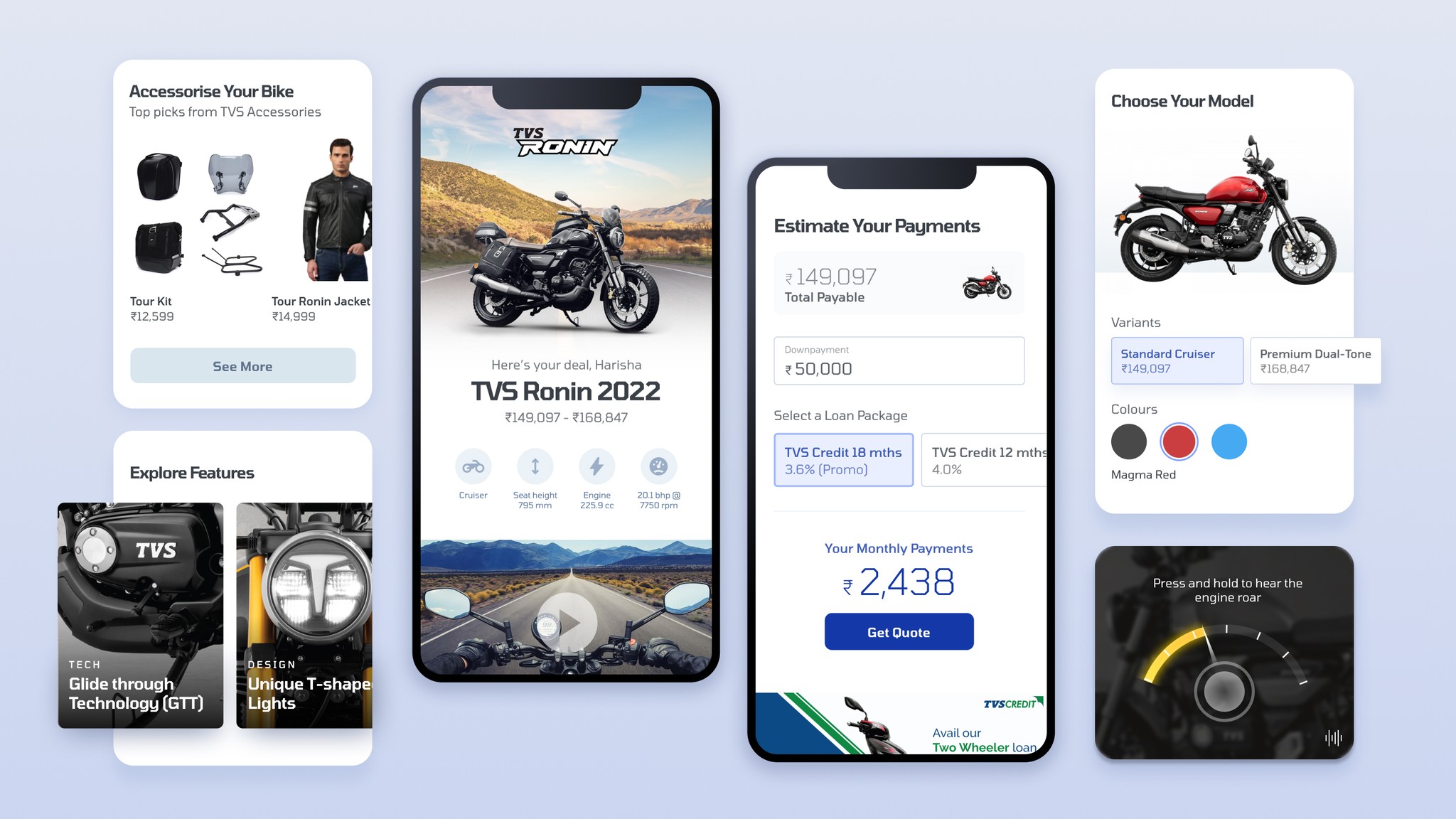
The digital innovation arm of TVS Motor set out to explore a B2B2C product that could modernise the traditional automobile showroom model. The ambition was to create a scalable digital layer that enhanced in-person sales for dealers across the world.
The challenge was not only to design a compelling phygital experience, but to identify a version that dealers would adopt, sustain operationally, and scale globally.
Disclaimer: My team was not affiliated to BMW. We worked with local dealers and used a BMW 520 as a POC model.
Identifying opportunities
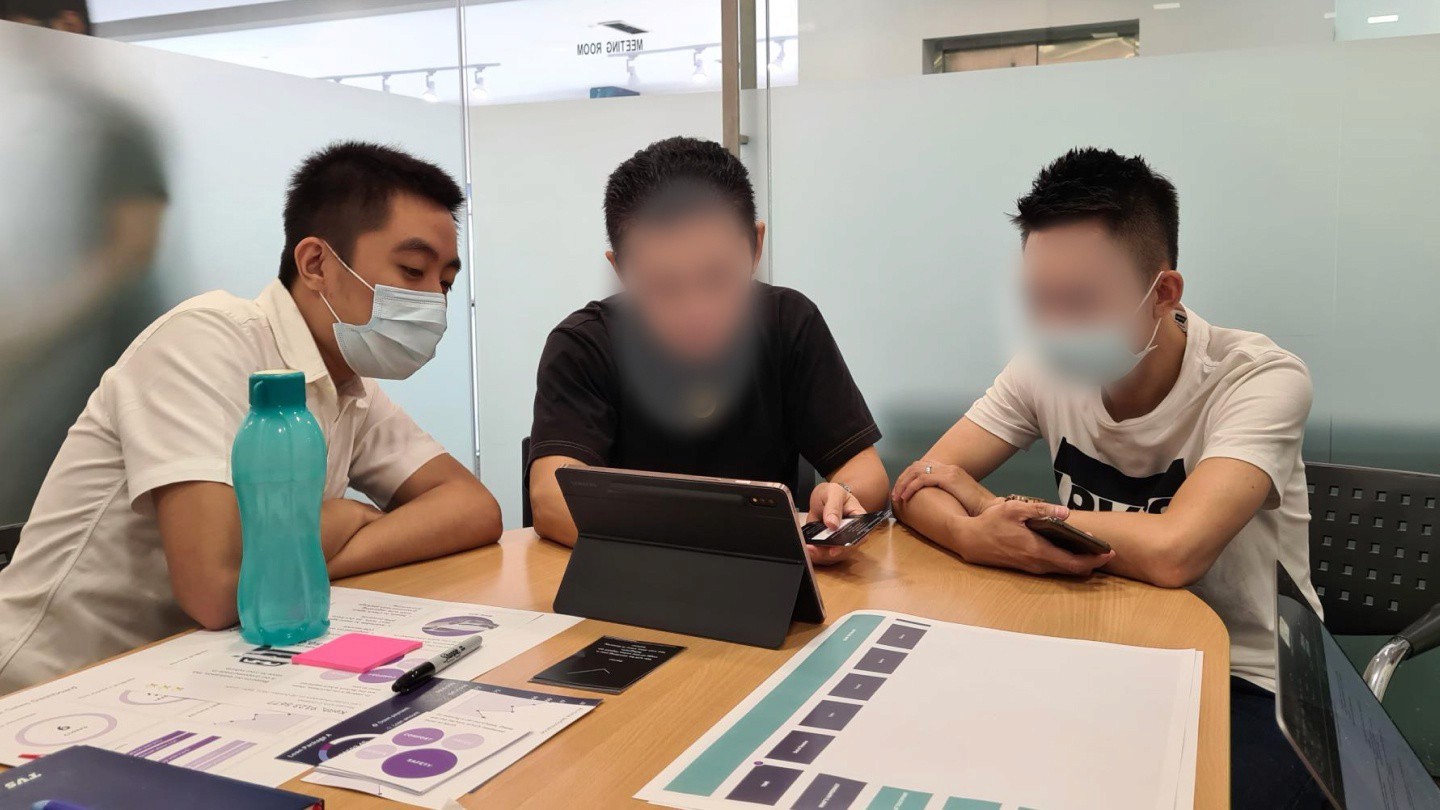
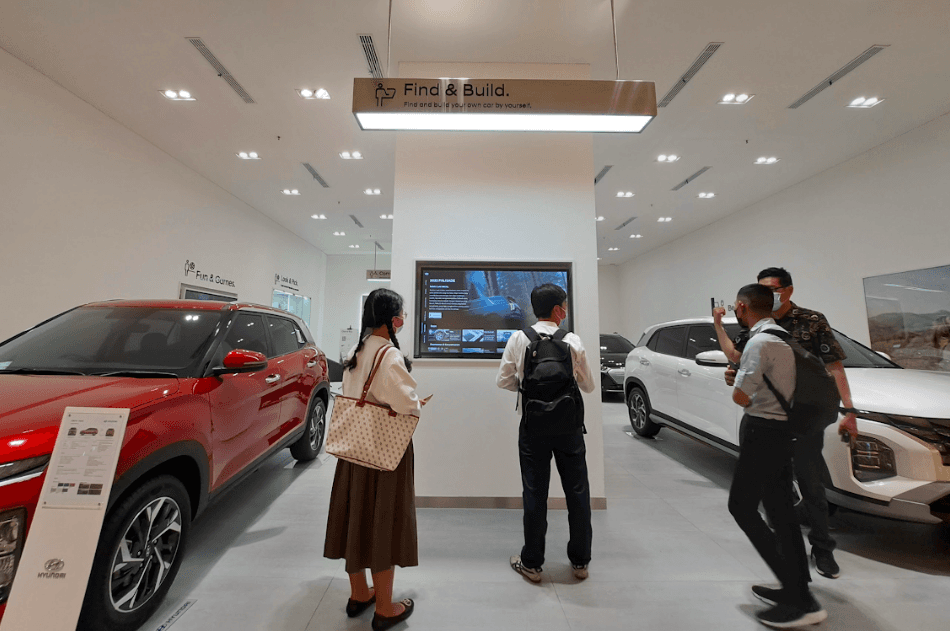
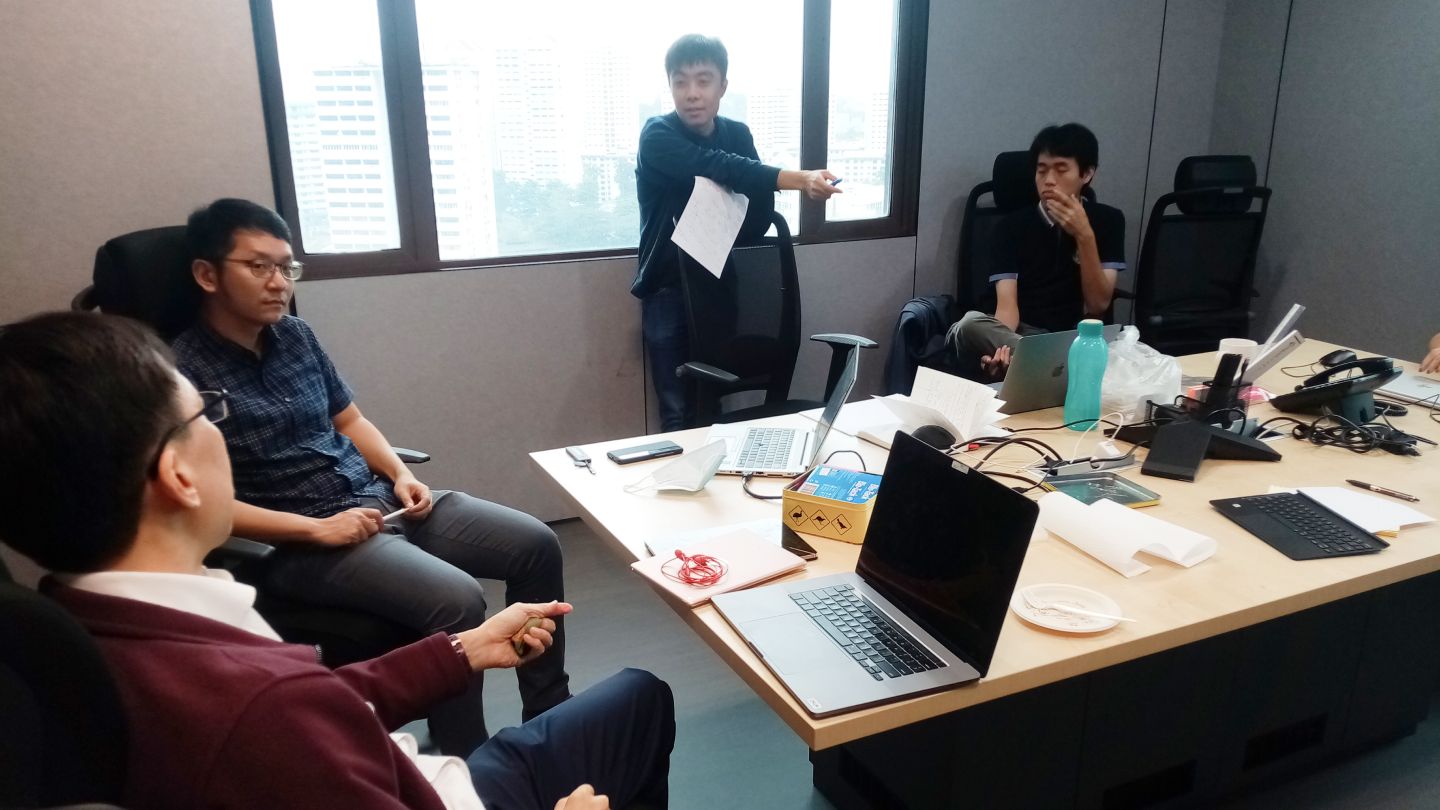
I led the team to conduct field research to build the team’s knowledge of the problem space, and to identify opportunities for innovation.
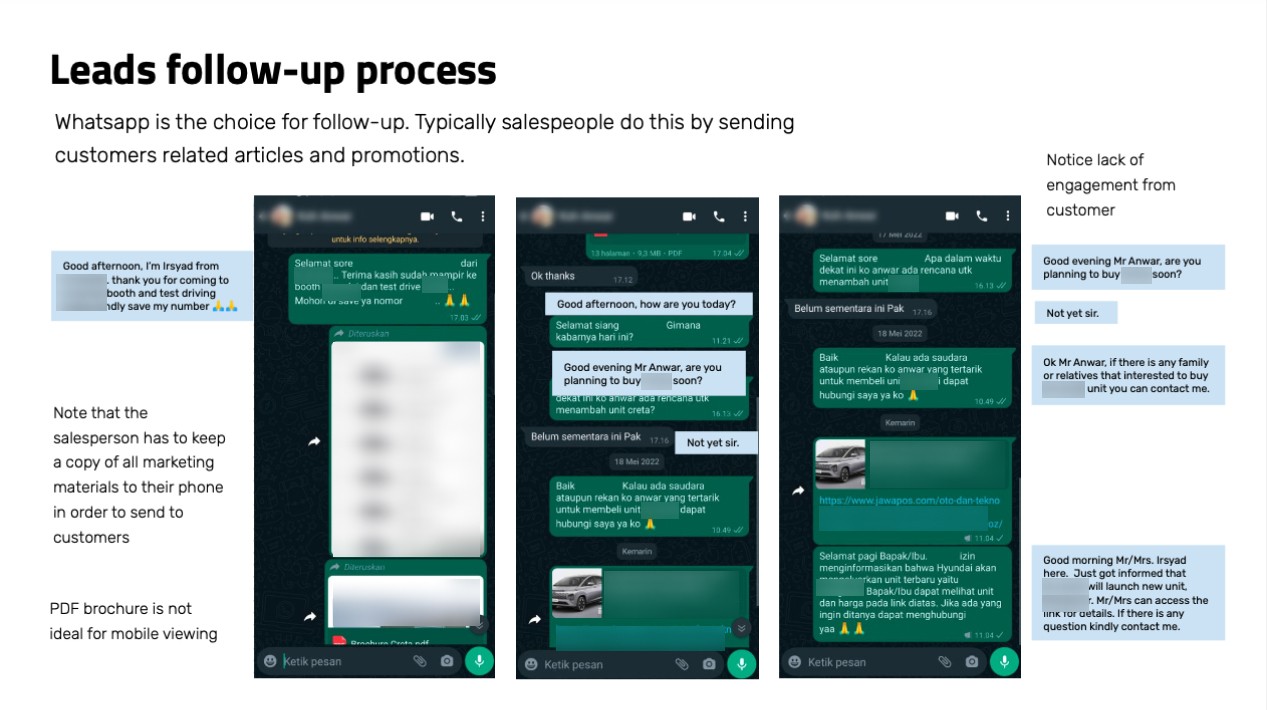
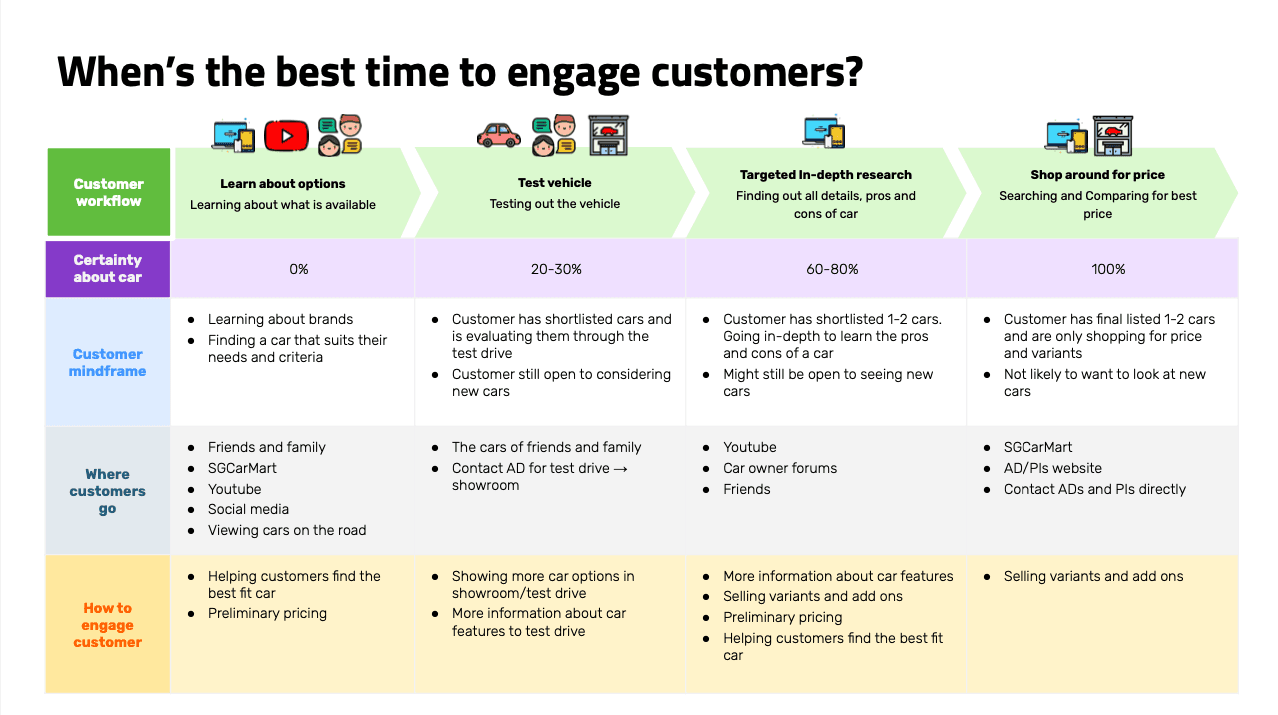
We discovered that fragmentation in both the customer buying experience and the salesperson’s sales workflow caused gaps in customer experience and lost sales opportunities.
From here, we identified different opportunities around three critical parts of the car buying journey:
Experiencing the vehicle
Negotiating the deal
Post-showroom follow-up
Prototype-led product development
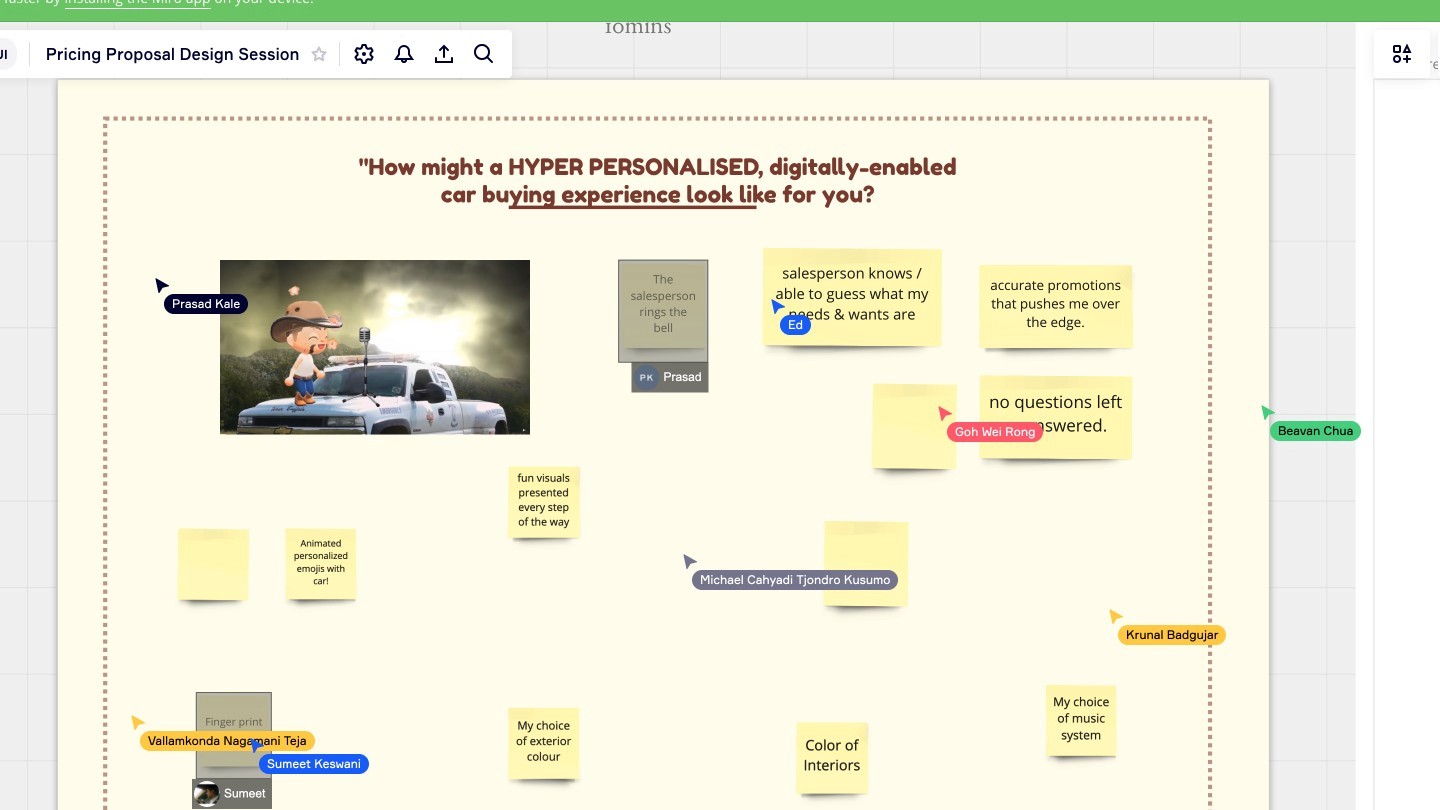
To manage complexity, I structured the exploration around separate hypotheses for each part of the journey.
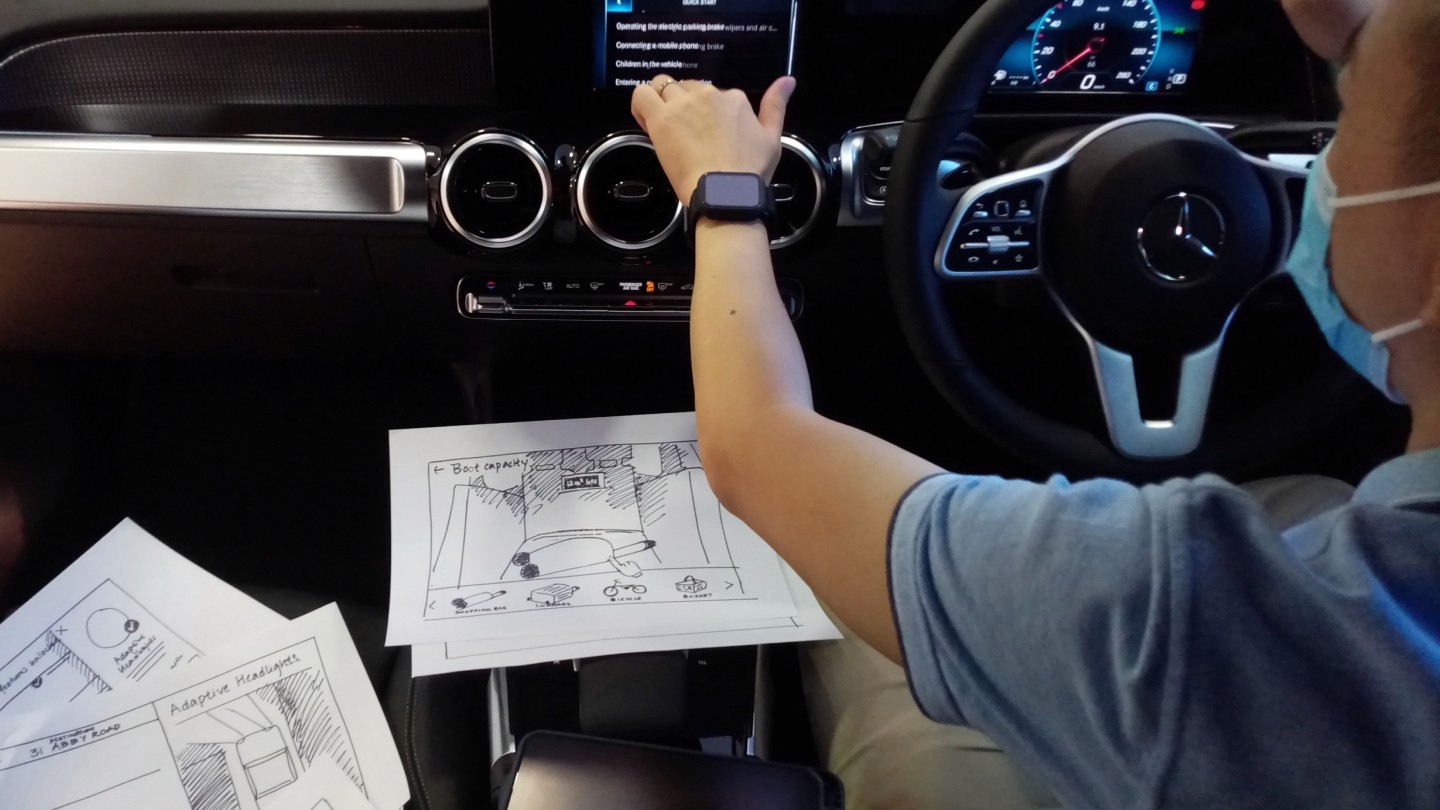
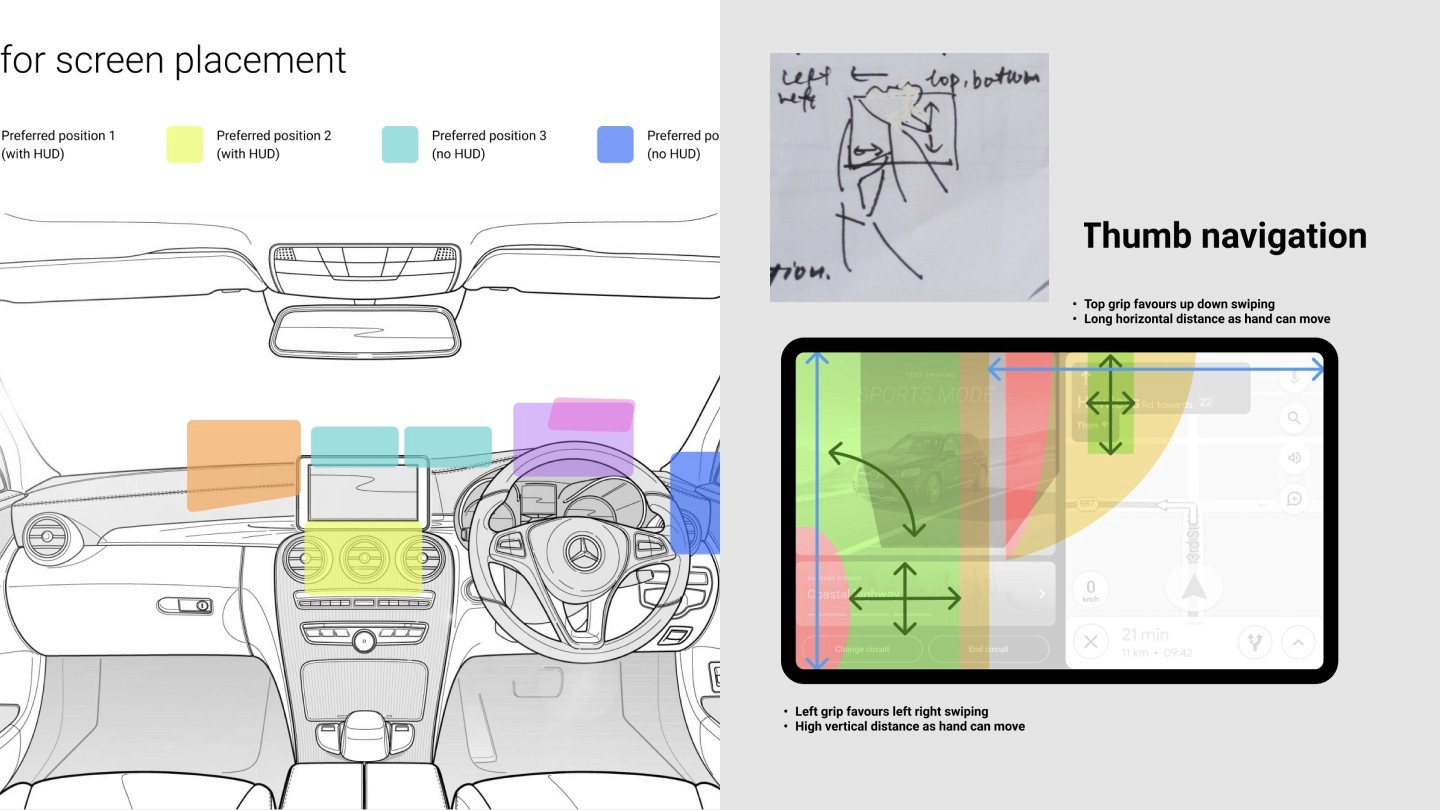
I championed a prototype-heavy ideation process because it was effective in making tangible abstract ideas of spatial and social interactions. This allowed us to get quick and valuable feedback that accelerated product development while reducing investment risk.
Designing the showroom experience
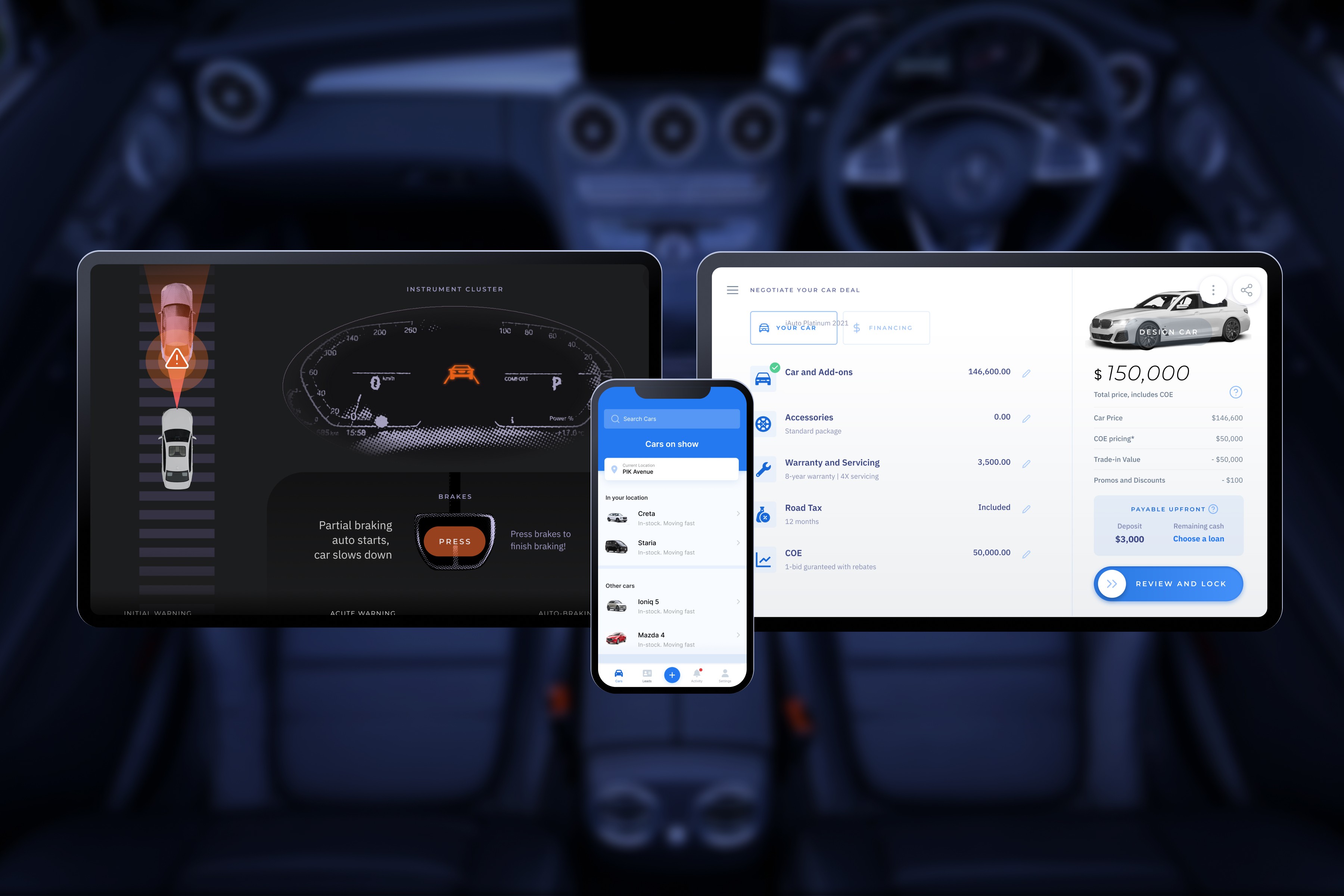
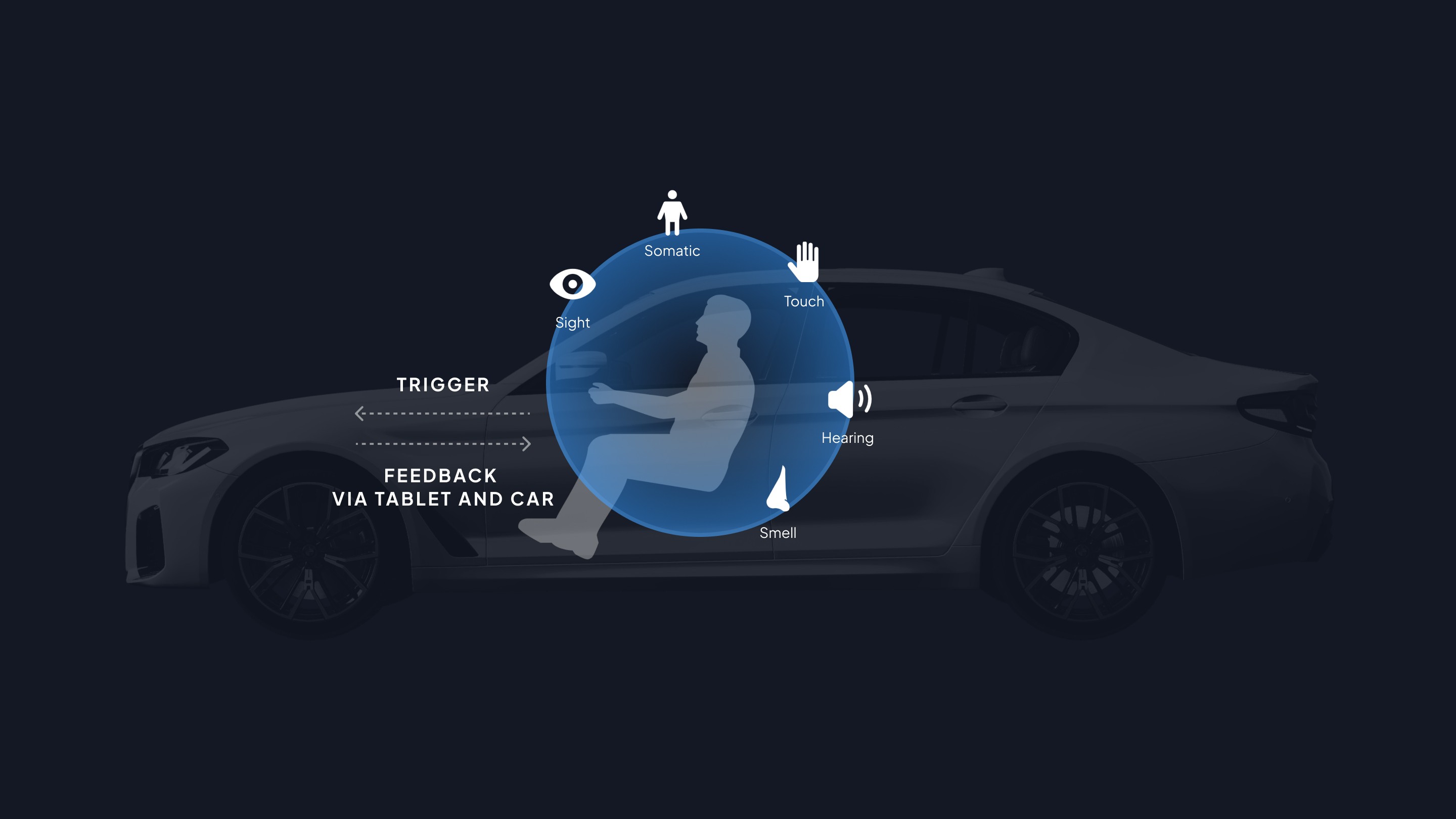
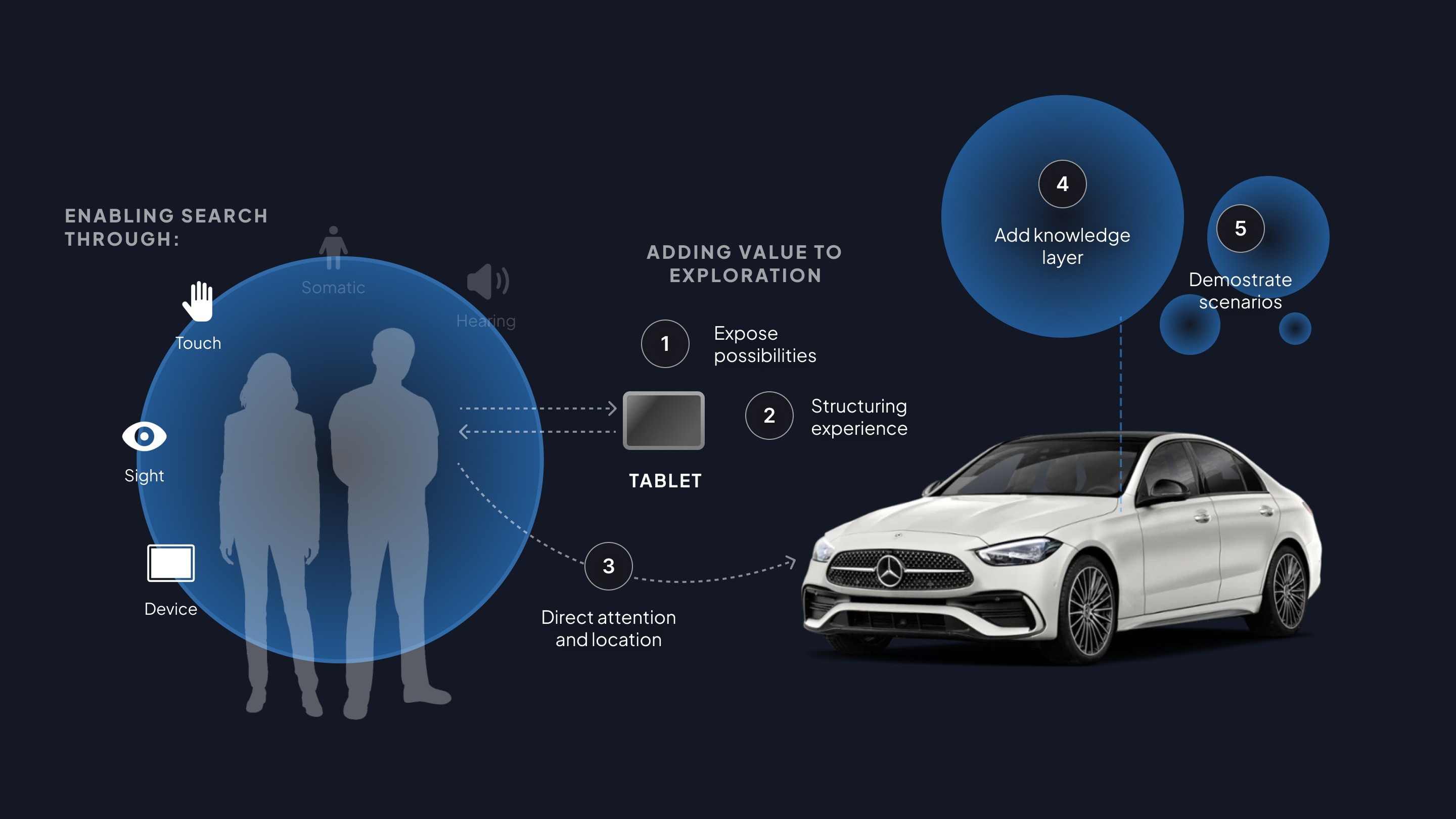
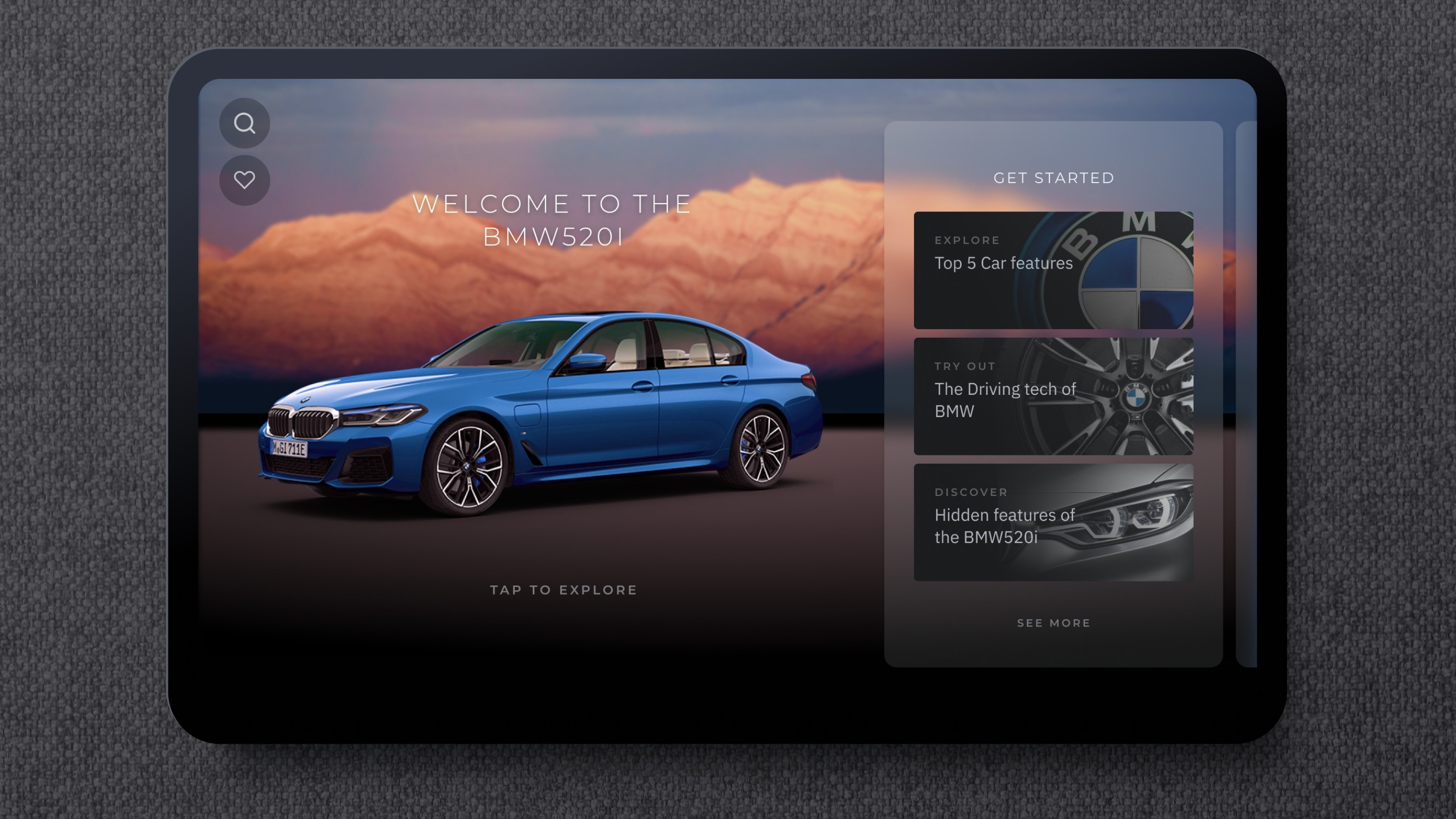
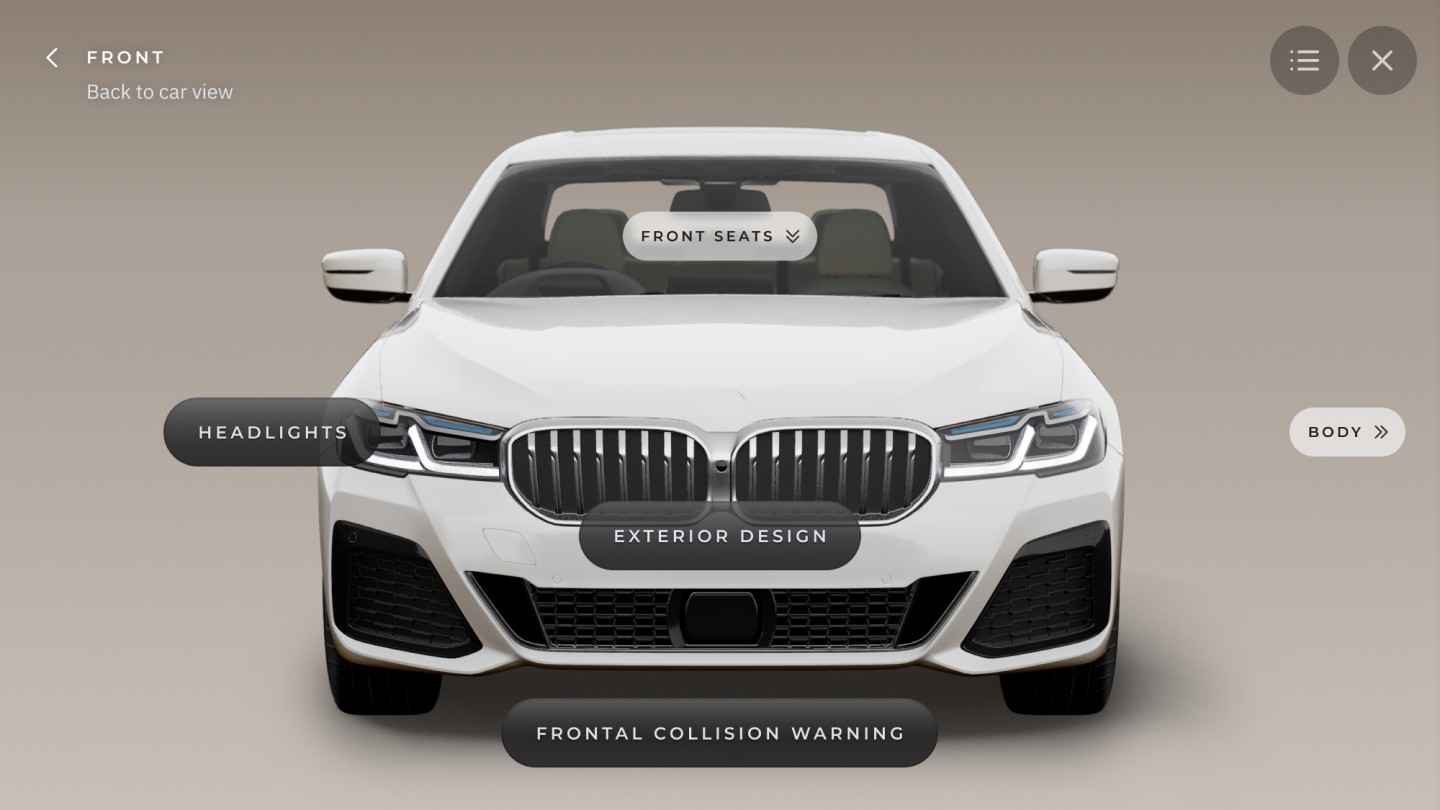
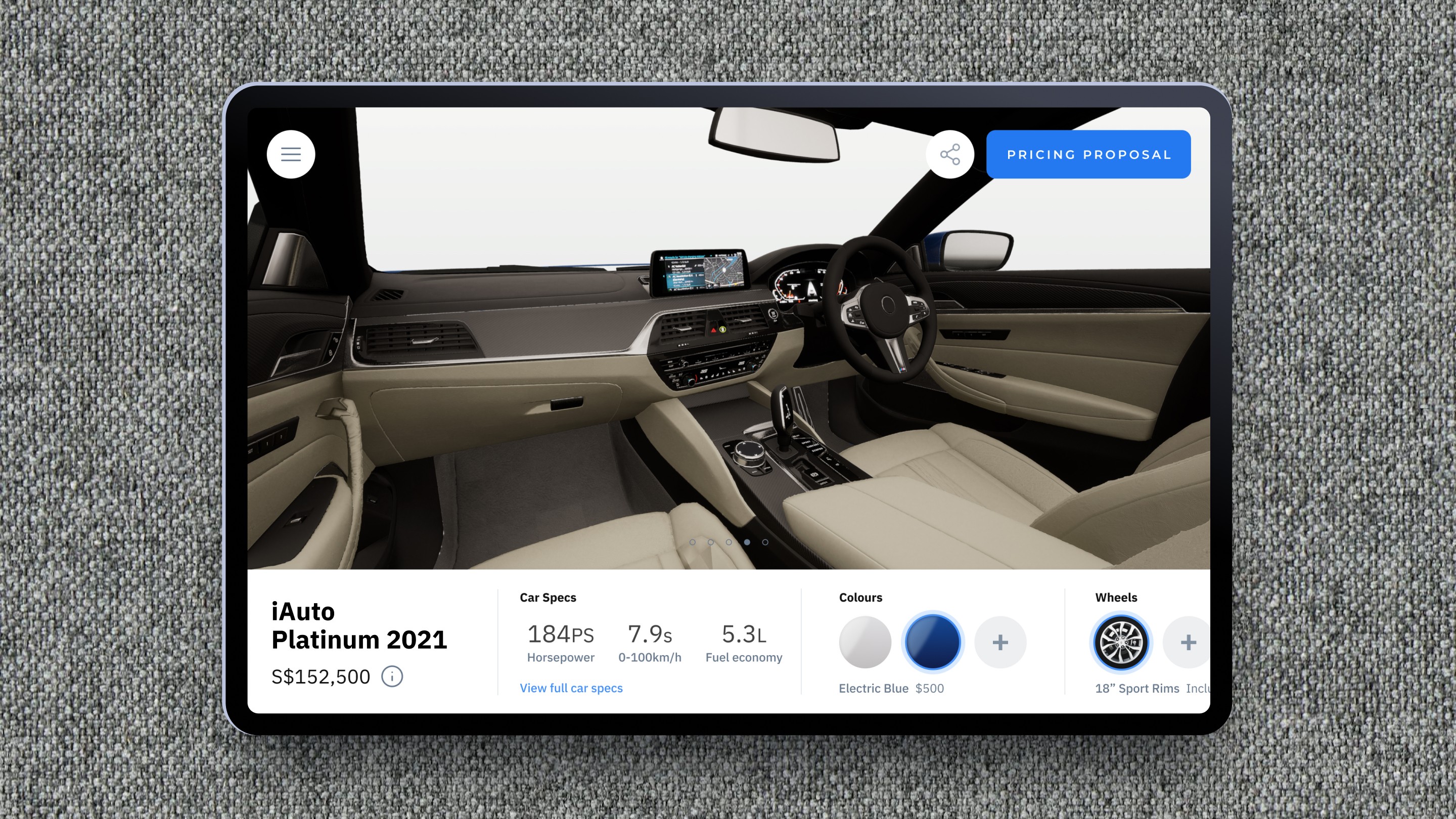
For showrooms, we designed a tablet solution that buyers and salespeople could use to augment the car-buying experience by dynamically accessing feature insights and digitally-augmented experiences.
Designing the sales engagement process
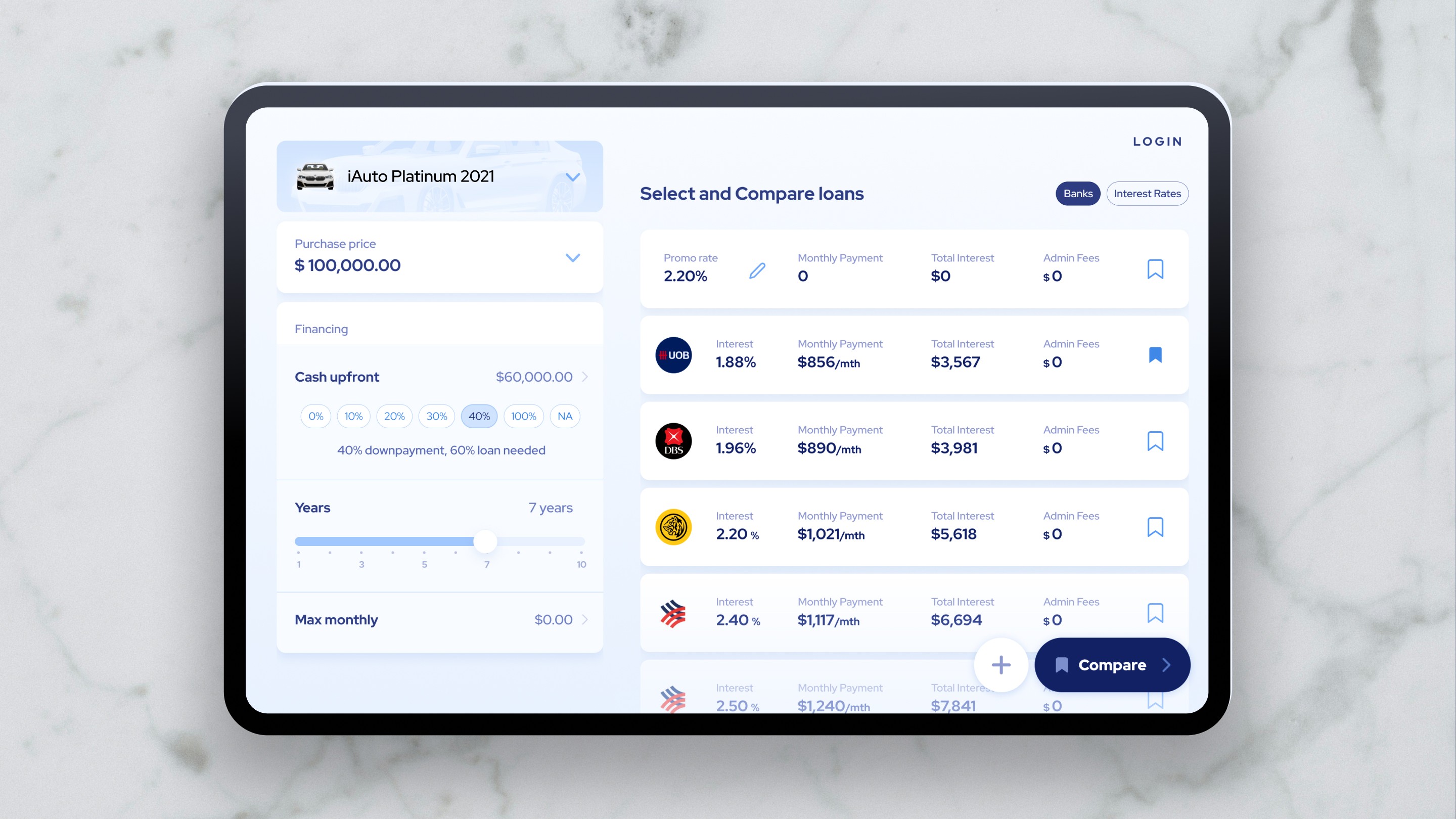
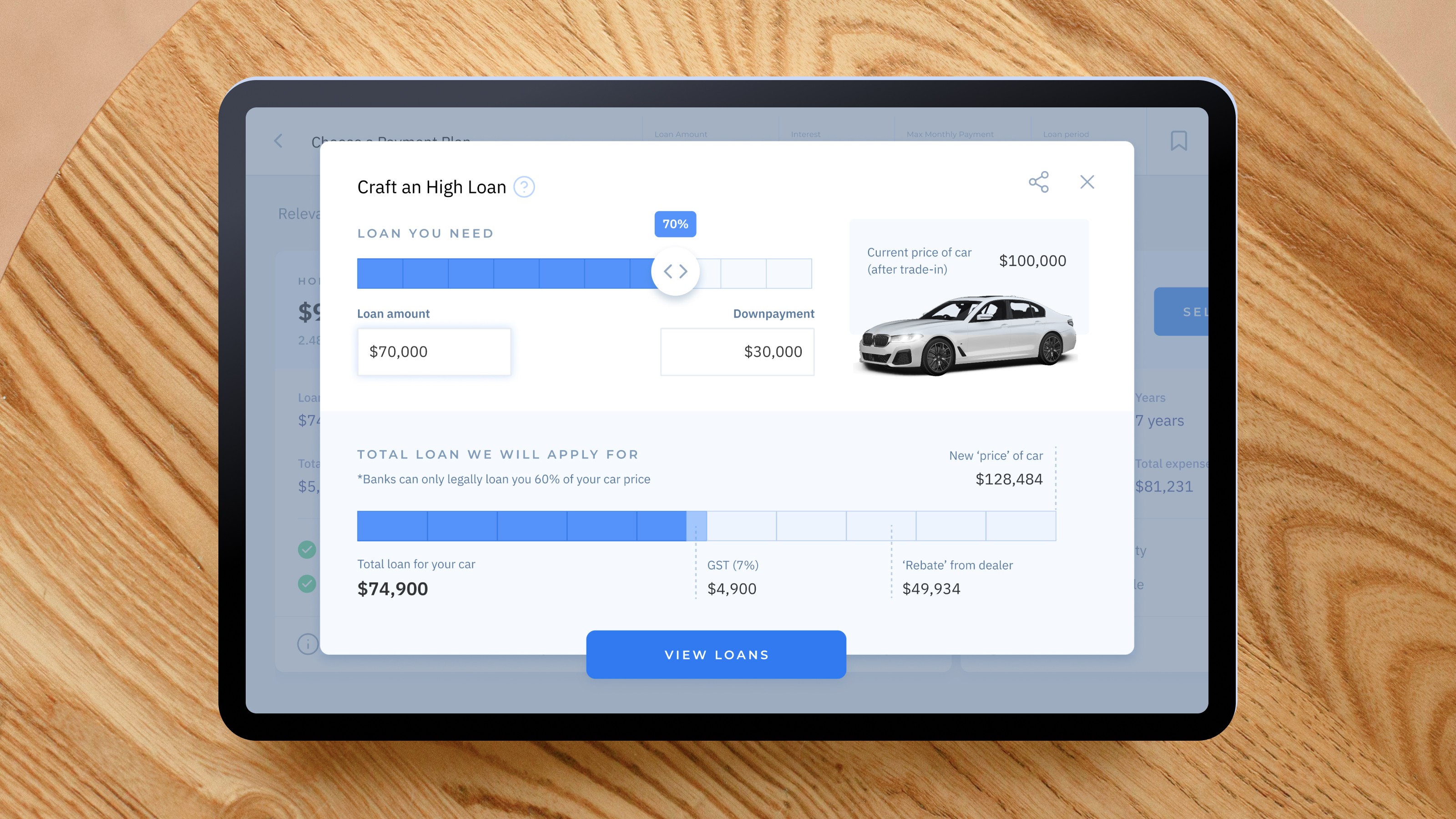
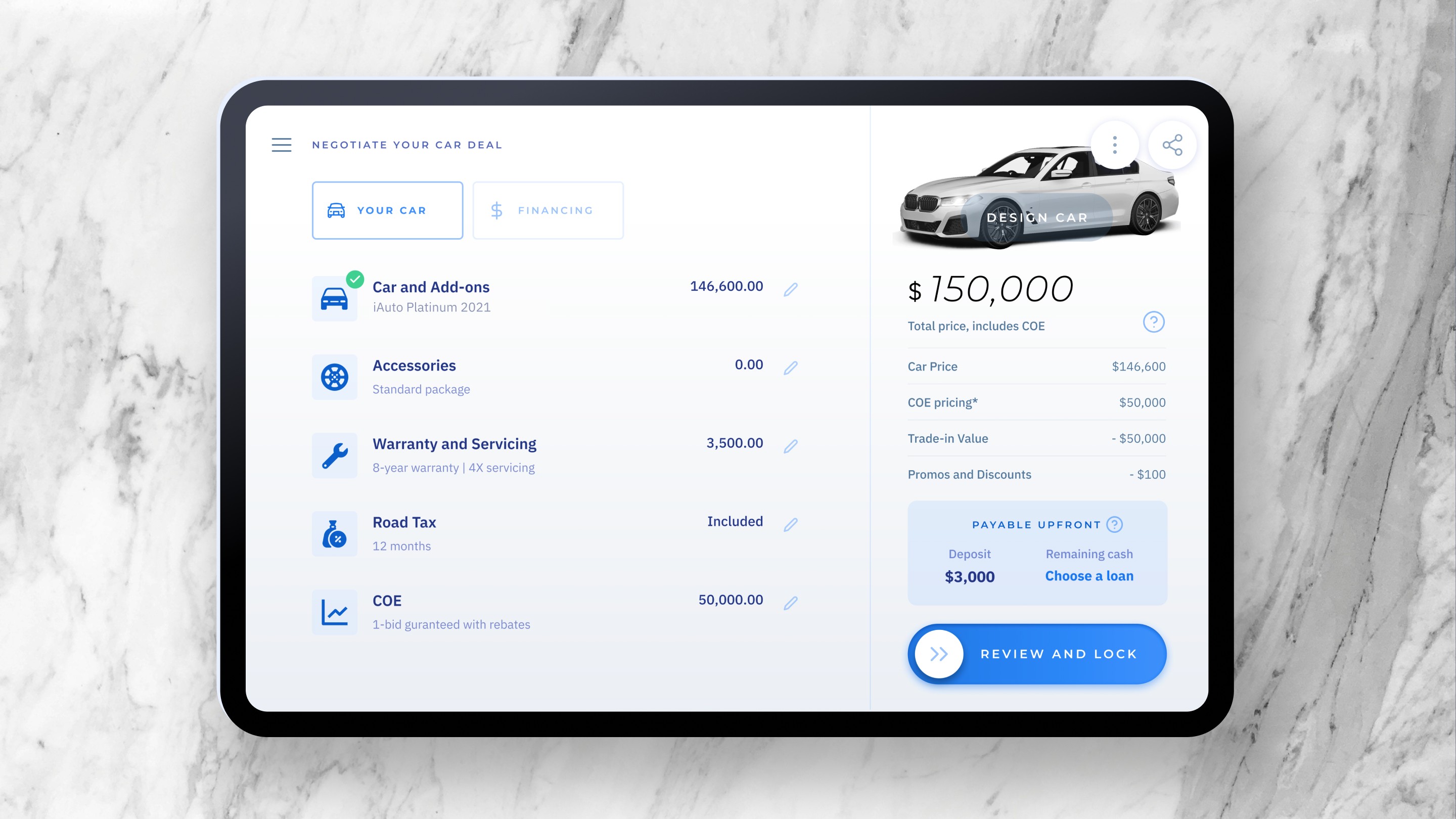
In the second part of our POC, we branched into the deal negotiation processed in order to make the product more relevant for enterprise buyers.
Recognising that the deal negotiation process is traditionally opaque, I introduced structured digital flows that mirrored trusted ecommerce experiences, increasing customer clarity and confidence during deal discussions.
Pivoting towards commercial viability
While the experiential POC tested well with buyers, operational testing exposed structural constraints. Many dealers did not have organisational resources to digitise core workflows, and were reluctant to invest in improving CX as it was not central to their performance metrics.
To drive dealer adoption. I led a strategic pivot to prioritise components that:
Translated more directly into business metrics
Could be adopted without need for dealers to change backend processes
Could scale without additional hardware investment
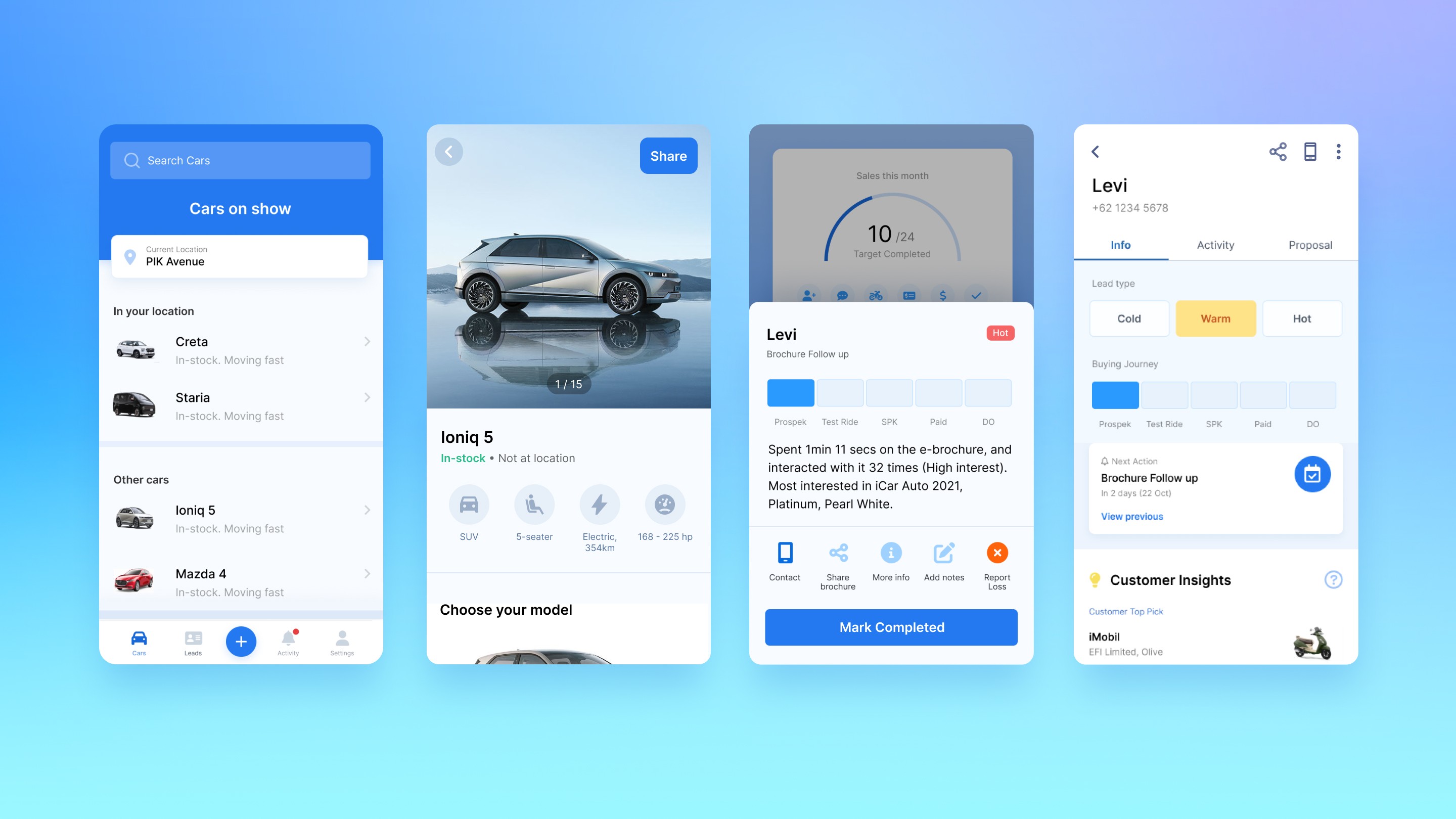
This shifted the product from a tablet-led showroom solution to a lightweight, mobile-first platform with stronger CRM capabilities.
Outcome
With our pivot, we successfully launched a mobile-first solution that reduced adoption barriers and improved scalability.
The product went live with national dealer networks in Indonesia and India, driving engagement increases of up to 5%.